
THIS is the semiquincentenary (250th anniversary) of Louise’s death.
In short, her death explains Brillat-Savarin’s book, Physiologie du goût (Physiology of Taste). The trauma led him to attend to life’s often-neglected fundamentals. Ideologists have always expected obedience for ostensibly higher realities than food, such as money’s “invisible hand” under capitalism. Brillat-Savarin had good reason to know otherwise.
Louise’s death helps explain not only Brillat-Savarin’s gastronomy, but his book’s curiously jumbled-seeming list of topics and its seriousness masked by jollity. Yet his quandary was not to seem too serious, when praising pleasure.
M.F.K. Fisher’s translation, so beloved in the U.S., has not entirely helped. Leaving aside its omissions (the legacy of her seemingly using an abbreviated earlier translation), her joyous commentary plays him as an avuncular gourmet.
Brillat-Savarin speaks of Louise in two separate places
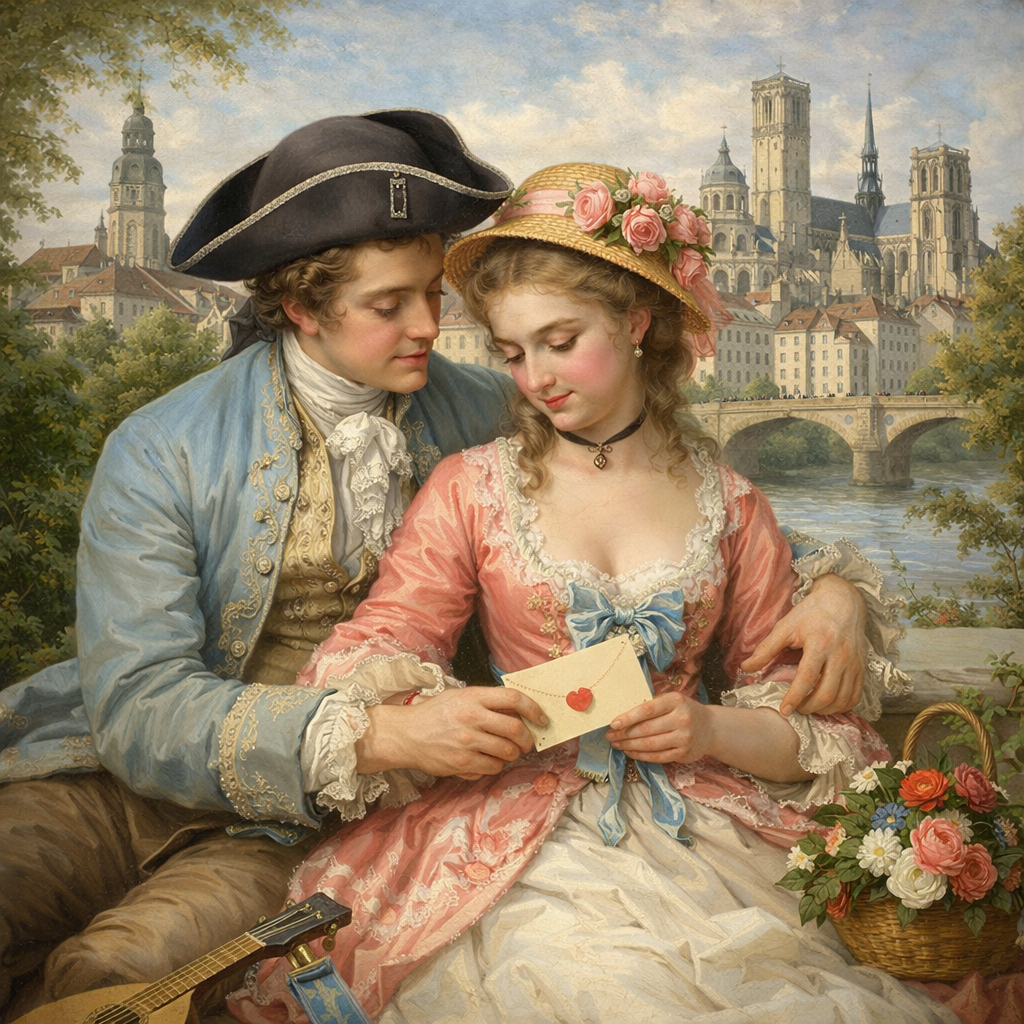
When a law student in Dijon, he became friendly with “one of the loveliest people I can ever remember”. This was Louise. It is central to history (although disturbing for some readers) that Brillat-Savarin wrote appreciatively of women’s bodies. Louise “possessed in perfect proportions that classical shapeliness that charms the eyes and contributes to the splendour of the imitative arts”.
When he noticed her losing weight, she eventually admitted she had adopted a vinegar-only diet. Neither he nor her mother could dissuade her. At the age of age of 18, and beyond help, she died in his arms, lifted up, at her request, he says, to watch the dawn.
Given the tragedy, recorded under “The prevention and treatment of obesity”, Brillat-Savarin took to keeping notes on the basic importance, pleasures and social organisation of food.
Exactly 50 years after that fateful sunrise, I can only presume as a commemoration, he published his lifetime’s observations.
This occasioned Louise’s second mention. Near the end of the book, he imagines his own death (which came within weeks of publication, dated 1826), at which she sheds a tear.
The somewhat haphazard-seeming structure distracts from an important book with “Meditations” on such topics as “appetite”, “gourmands”, “pleasures of the table”, “end of the world”, “obesity”, “thinness”, “fasting”, “exhaustion” and “death”.
He published, according to a prefatory “Dialogue between the Author and his Friend” (physiologist Anthelme Richerand), despite fearing that his commitment to gastronomy would be laughed at.
I will post shortly about Brillat-Savarin’s heart-felt ideas on conviviality. Meanwhile, read more about him in my books. To my knowledge, no other writer had united the two references to Louise before Meals Matter (2020).
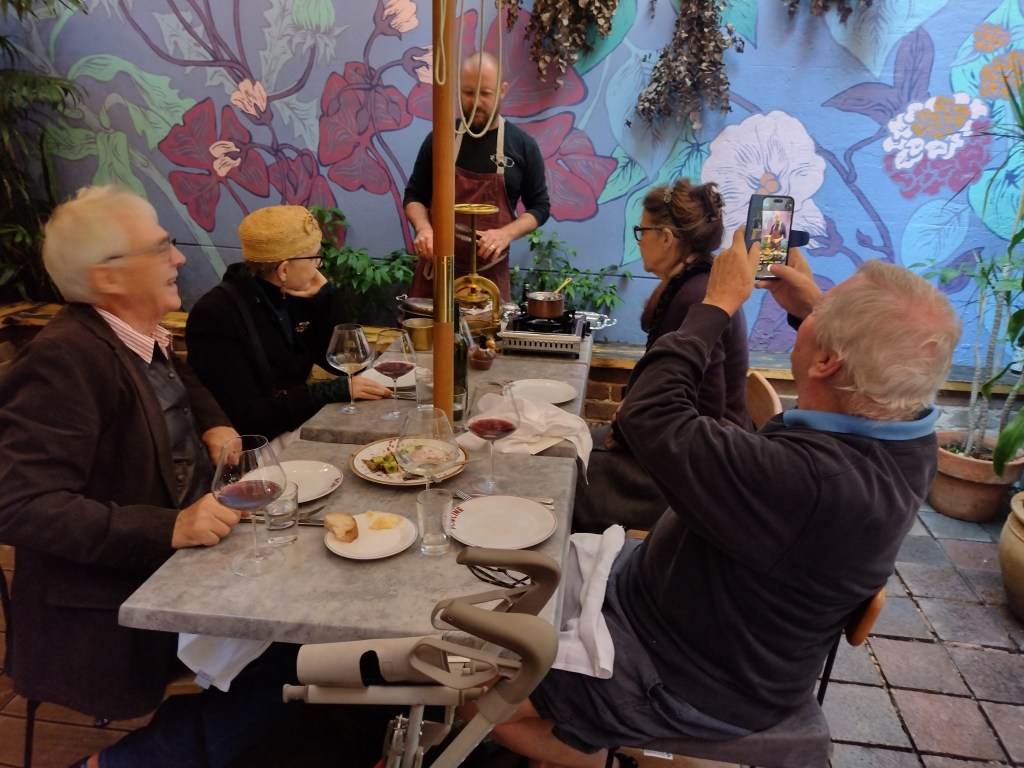


 The other night I commemorated the anniversary of my conscientious objection case. This was a court hearing to determine that I actually held beliefs that prevented me from being conscripted for the Vietnam War. It was a while ago, but as you might imagine, trying to establish beliefs under cross-examination jolted me enough not to forget (existential threat does not permit complexities).
 A FRIEND SAW THE MOVIE version of the Trip to Italy, together with some of Sydney’s top Italian restaurateurs, and all were disappointed. New Yorker reviewer David Denby
 The viewer accepts immediately that Brydon and Coogan play clever caricatures of themselves (Coogan more on top – including longer hair – in the first series, and Brydon winning in the second), and that they are not really reviewing the restaurants for the Observer, but a third, highly creative force is also hiding behind them. Using the same actors, director Michael Winterbottom developed some of the same techniques in Tristram Shandy: A cock and bull story (2005), and he had already done a road movie, In This World (2002), depicting the harrowing “smuggling” of two Afghan refugees from Pakistan across the Middle East and Europe to Britain.
 For the moment, my argument is that the Trips witness the fundamental distinction between food and meals, and, at the risk of repetition, meals matter. Two or three brief shots from each kitchen show the cooks paying considerably more attention to the dishes than the two diners ever do. It is as if to say that celebrity chefs and photogenic plates have been accorded too much prominence of late.
