
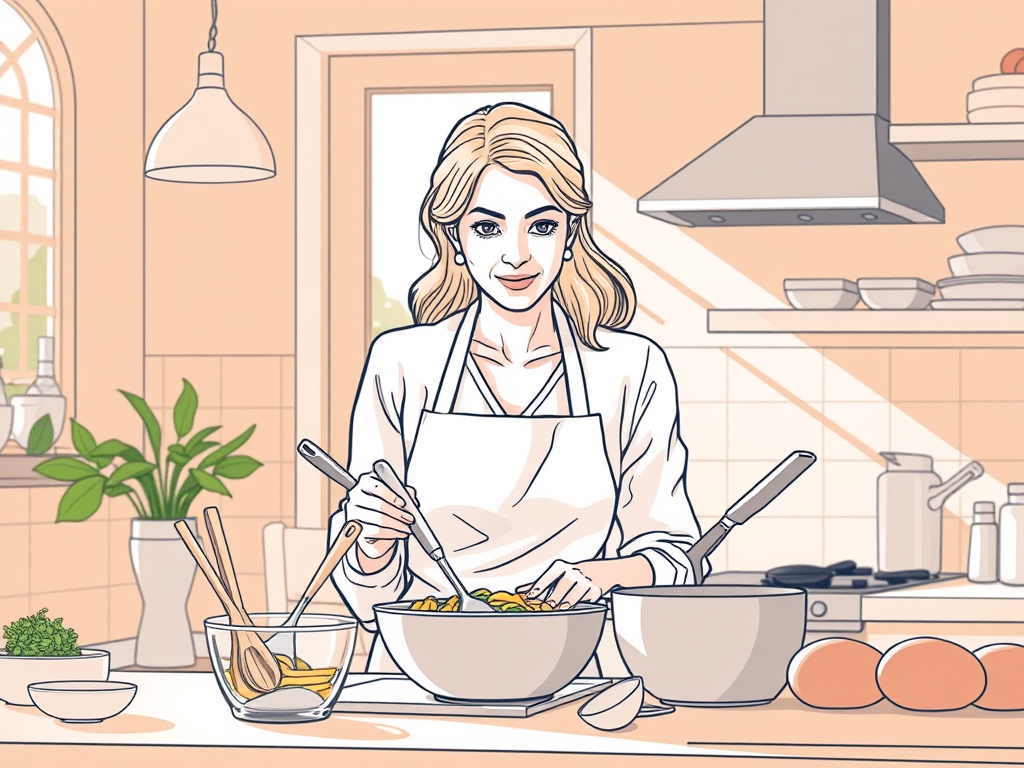
PSYCHOTHERAPISTS have moved into “cooking therapy”.
Cooking therapy might help a person for whom the kitchen was a dangerous place when a child. Our bodies carry memories and meanings, including of meals. Couples can benefit.
More generally, chopping onions and listening to pots encourage mindfulness. Kitchen activities even work for aphantasics (like me), who do not visualise flowing streams for relaxation. Slicing potatoes keeps us in the here-and-now.
Counselling academic, and foodie, Michael Kocet taught a course on culinary therapy in Chicago in 2014. By then, cooking had also moved beyond psychotherapy. Psychosocial gains include socialisation, self-esteem and mental health.
Cookery schools promise improved health and welfare. Self-help books now include Charlotte Hastings. Kitchen Therapy: How to Become a Conscious Cook, and Debra Borden, Cooking as Therapy: A beginner’s guide to building mental wellness in the kitchen.
To quote Hastings: “The power of conscious cooking can shift us from the isolation of the individual journey into the security of human experience.”
Food therapy goes beyond the kitchen. Gardening proves beneficial, and the senses are even more involved when dining. The Epicurean “pleasure of the stomach” derives not least from the gut being the source of 95% of the body’s mood-lifting serotonin.
Beneath all this, cooking is the pivot of gathering up and sharing meals and so the basis of society, culture and civilisation. I have written books on that.
Meals put people back in touch with reality, which means ideologies necessarily put meals down. The early Christian Church persecuted Epicureans. Capitalism subordinates life to profit.
To re-ground health, welfare and happiness, we need meal therapy, society-wide!
Cooking therapy for all!
Illustration: AI
 Meals Matter